Search this site
41 results found with an empty search
- What's Stopping you?
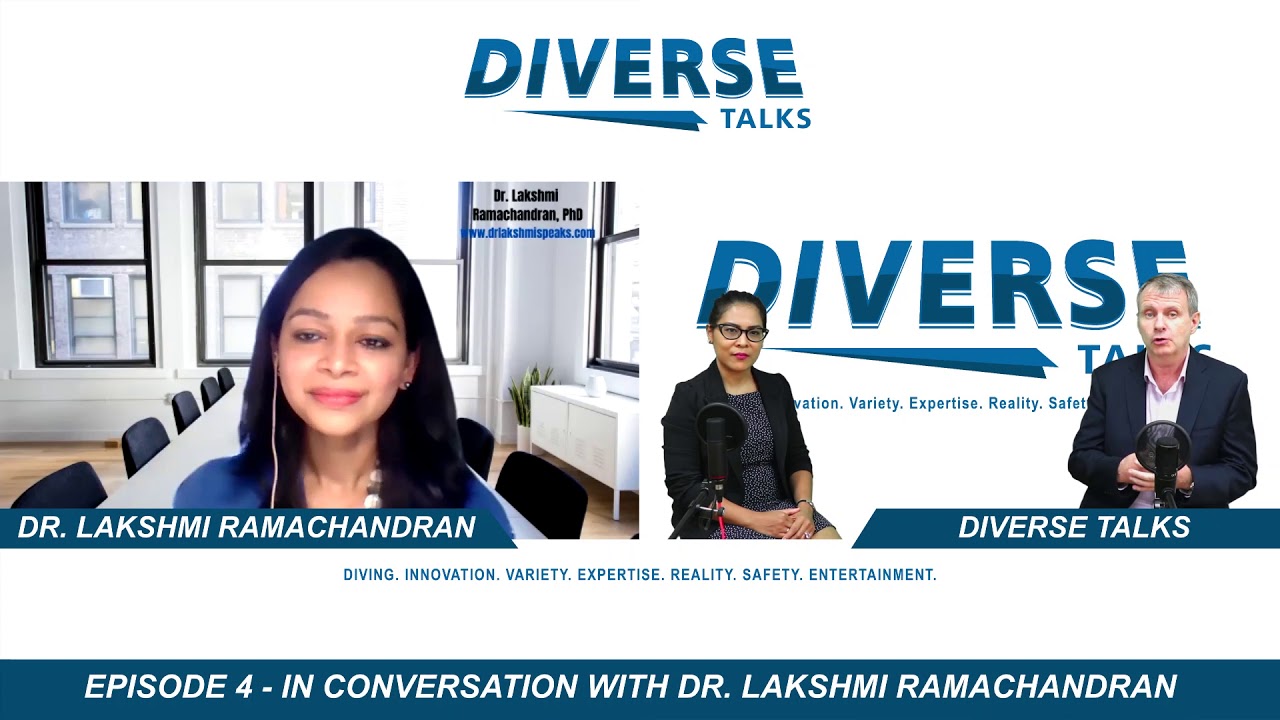
It's been a really long time since I penned a piece! I have never felt this challenged before to sit down and let my thoughts flow into words. So I asked myself what's stopping me? My immediate answer to this was that I am so terribly busy juggling work, kids, coaching, speaking etc., etc. 'A poor excuse' said my inner voice! 'Then what's really stopping me?' So I pondered and reflected deeply on this question. I got an answer which I was quite reluctant to accept initially. "Striving for 'perfection'!"- A need for the perfect topic, the perfect tone, words, moments and timing. I was reluctant to accept this because I don't see myself as a perfectionist or someone who cares about the details. But turns out that deep within, I do! This was a huge self-realisation as it led me to address many uninitiated, unfinished things that I really wish to do. The fact is when life is already quite packed, then if one wishes to do certain things, you just gotta do it without overthinking and strike when the iron is hot! When you sit on things, ideas and enthusiasm often fizzle out as I observe from my own experience. So I invite you to take a moment and think about 'What's stopping you'? One result of my realisation is this interview I gave on a platform called Diverse Talks. When my friend and fellow speaker Darren Brunton approached me for this interview, my immediate response was that it's a hectic time and I would rather do it later. But when he told me that it's a spontaneous, casual interview, I thought I could perhaps give it a try. I decided to go with the flow rather than let 'perfection' obstruct it. I did it amidst hectic schedules and quite enjoyed being myself and being in the moment. As you can see from the interview, it's not a perfectly prepared piece, but it's natural and it flows. Do watch it and let me know your thoughts via the comments: Dr. Lakshmi Ramachandran, PhD' s vision is to make coaching accessible to the scientific community, the way it is for the business executives. Navigating a science career is not just about acquiring a PhD, more credentials, having a great network or achieving success. It is also about finding the right space in science where you are most fulfilled and happy. Her inner theme is 'Self-Empowerment', stemming from her own personal journey through science. She has a PhD in Cell and Molecular Biology from SUNY, Buffalo, USA and has 20+ years of experience in Science. She is also a Science Coach (ICF, Belbin, CIDTT) and a Keynote Speaker. Learn more about her at : www.drlakshmispeaks.com
- Lab to Leadership communication
How I became a Brilliance to Influence Strategist with a PhD in Cell Biology P.O.W.E.R UP Brilliance to Influence Edition 27 Why do I do what I do? This is a question I often ponder upon, a lot more recently, as I hear this curious question: "What made you move from science to leadership communication and influence, and how?" Though it may seem like a major transition, as I connect the dots, it is more of a natural progression from working in STEM to working for people in STEM. This article spans my journey from the lab to leadership communication, from studying cells under a microscope to studying what makes a room trust a leader. Dr Lakshmi Ramachandran, PhD- Science to Leadership Communication My career journey started with an exploration of the workings of our body at a cellular and molecular level. In 2002, I joined the doctorate programme at ROSWELL PARK CANCER INSTITUTE NIAGARA CENTER , University at Buffalo , with a full scholarship. As I narrowed down my research to studying just 'one' protein molecule out of millions within a single cell, I had a humbling realisation of how much we do not know. This humility instilled in me the exploratory mindset I describe below: a hunger to know, learn, and contribute more, no matter where I am in life. I have experienced success at a very early age. At 26, I received my doctorate in Cell and Molecular Biology with a Dean's Award. It was the dream of a 15-year-old girl, come true. Then life happened. A personal challenge with infertility threw me off that track. Yet it feels like I took multiple, beautiful sidetracks to find my way back to research, just a different kind this time: understanding human behaviour, as a coach, professional development expert, and speaker. "Life happens and sometimes throws you off your track. It's like a boat out in the oceans hit by a storm. In such situations, keeping afloat through resilience itself is a big achievement, let alone finding your direction." It's when things calm down that the quest for direction and destination begins once again in the journey. Finding the Connection I loved being a scientist. In the years that followed, after I moved out of the lab following my career break, I struggled to find something else that I loved within science. I tried my hand at science communication and research administration, but I couldn't find the same passion and joy. I then stumbled into professional speaking through a course I did and communities I joined, mainly Asia Professional Speakers Singapore and Keynote women. I also embarked on coach training and received my Professional Coach Certification (PCC) via International Coaching Federation. Later, I went on to develop and teach a public speaking course, which has been running successfully at the National University of Singapore. I have also developed courses on emotional intelligence and leadership development. I did not have language for what I was becoming until I came across Ikigai, the Japanese concept that sits at the intersection of four questions: What you love: For me, that was always science, and the exploration it demanded. What you are good at: Listening, translating complexity into clarity, helping people see what they could not yet see in themselves. What the world needs: Leaders whose influence matches their brilliance, because when it doesn't, their best ideas, products, and medicines stay stuck in labs and boardrooms instead of reaching the people who need them. What you can be paid for: Leadership communication coaching and keynote speaking to help experts translate their brilliance into influence. I am positioned to do this best as I understand their exact problems, and how to solve them, because I have lived that exact gap myself, from deep technical expertise to the leadership influence it took years to build. Dr Lakshmi Ramachandran, PhD- Ikigai of a scientist turned leadership communication strategist The Exploratory Mindset In hindsight what helped me stay resilient and connect the dots is an exploratory mindset which I believe is from years of scientific training and lived experience. Sharing key aspects of this mindset: Accepting failures: Failure is an inevitable part of good science. Thomas Edison once said, "I have not failed. I've just found ten thousand ways that won't work." Scientists embrace failures and rejections many more times than success and approvals. It is human to feel disappointed or frustrated with failures. But never to lose hope. Being curious: Curiosity is the seed that nurtures an exploratory mindset. It replaces fear, doubt and hopelessness. Curiosity is foundational for any research to ask the right questions and steer towards the best direction to find the answers. Embracing change: Change is undoubtedly constant but also uncomfortable most times. Those with an exploratory mindset are able to embrace change sooner and ask how they can use the change to their benefit rather than feeling thrown off track. Courage: Specifically, the courage to put myself out there. This looked different at different points, and it is the piece that carried me from private reflection into public visibility. Dr Lakshmi Ramachandran, PhD- The Exploratory Mindset I have had the courage to put myself vulnerably out there with the purpose of sharing my experience to create awareness, inspire and educate. I have got recognition in the process such as being recognised as Singapore 40 over 40 inspiring women, Coach awards bronze, becoming Globant Techfluencer, publishing an award winning book, a beauty pageant, and most recently being ranked top 3 public speaking coaches in Singapore by Favikon and winning a Women excellence award from the Indian community in Singapore. Dr Lakshmi Ramachandran, PhD- Recognitions If You Are in Your Own Storm Right Now I share all of this not for the awards themselves, but for what they represent. Years ago, I did not know if the path I was building even had a name. Today, I coach and speak to leaders who are brilliant at what they do and struggling to be seen for it - the same gap I found myself in. If you are somewhere in your own storm right now, unsure which direction to swim, I want you to know that the boat does eventually reach calmer water. Not because the storm resolves on its own, but because you keep choosing, again and again, to ask what you are actually meant to do. Dreams to Reality is actually 'Dreams to Clarity, Intention, Conviction, Courage and Action to Reality. Dr Lakshmi Ramachandran, PhD, PCC is a leadership communication coach and keynote speaker working with senior leaders across Asia Pacific. She helps leaders who are exceptional at what they do turn that brilliance into influence. drlakshmispeaks.com
- Presentation Skills: How to Open with Confidence and Hold the Room
Dr Lakshmi Ramachandran, PhD Leadership Communication and influenceI was in the audience when it happened. Your Opening Is a Doorway to Trust P.O.W.E.R UP · Brilliance to Influence · Edition 26 I was in the audience when it happened. The introduction had been generous. Credentials, publications, years of experience. The kind of build-up that makes a room sit forward and pay attention. By the time the speaker walked to the podium, the room was ready. Then the papers came out, and the search for the right page began. A pause, then another search, the speaker's eyes moving across the sheets looking for the starting point. It could not have been more than forty seconds, but something had shifted. The authority the introduction had built, the readiness the room had arrived with, had already left, and the speaker spent the next forty minutes trying to earn back what those forty seconds had cost. I have thought about that moment many times since, not because the speaker lacked expertise. They had it in abundance. But expertise does not recover a room that has already made up its mind about whether it trusts you. Compare that to a different kind of opening. I was once invited to set the tone for a meeting on AI and human connection. I could have started the expected way. Good morning, it is a privilege to be here, today we will be discussing. Instead, I opened with a story about a friend who read my silence as disinterest, felt hurt by it, and turned to ChatGPT for the emotional support she thought I was withholding. The room leaned in as everyone in that room recognised something in it. They understood the theme before I named it: what we lose when human connection thins, and what fills the gap when it does. That is what a strong opening does. Rather than introducing the topic, it builds the first thread of trust between you and the room, and everything you say afterward is received through that thread. Robert Cialdini's research on persuasion identified liking as one of the most powerful drivers of influence, long before "authenticity" became a buzzword in leadership circles. People do not follow speakers they do not first trust, and trust begins with whether the audience likes and believes you enough to stay open to what comes next- a decision made early, often before your first full sentence is complete. The five common mistakes speakers make in their opening 1. Reading from notes at the start The moment you look down at the opening line, you break the one thing the audience is evaluating: whether you are present enough to be trusted. Notes signal distance, and they block eye contact, which is the channel through which trust is built. Script your opening two to three minutes and know them well enough to deliver them to the room. 2. Opening with logistics or pleasantries "Good morning, thank you for having me, just a few housekeeping items before we begin." This is the most common opening in professional settings and the most costly, because it tells the audience nothing worth their attention has arrived yet. Open instead with the thing that makes them lean in - a question, a story, an observation they did not expect. 3. Apologising before you begin "I know you have all had a long day." "I will try not to take too much of your time." Each of these asks the audience to lower their expectations before you have given them any reason to raise them. If something goes wrong technically, acknowledge it briefly and move on rather than apologising your way into a room you are trying to earn. 4. Starting with the agenda Walking the audience through what you are about to cover before you have given them a reason to care is a structural mistake. The agenda belongs after the connection is made, not before it. Earn the right to tell them what is coming by first giving them a reason to want to know. 5. Under-rehearsing the start Leaders spend hours on the middle of a presentation and almost no time on the opening, which is exactly backwards. The opening is the moment of highest stakes and lowest preparation, so script it, say it out loud, and know where you will make eye contact first. T A well-prepared opening does two things at once. It gives the audience a reason to trust what comes next, and it gives you the steadiest ground to stand on, because the part that felt most uncertain has already been thought through. The room decides whether to trust you before you have said anything of substance. Walk through the doorway deliberately. What does your opening usually sound like, and when did you last rehearse it as trust, not just as content? This newsletter accompanies Episode 2 of Brilliance to Influence, a weekly video series on leadership communication. Published every Thursday on LinkedIn and at drlakshmispeaks.com. Watch the video on LinkedIn: https://lnkd.in/p/gKDTjMhe Dr Lakshmi Ramachandran, PhD, PCC is a leadership communication coach and keynote speaker working with senior leaders across Asia Pacific.
- Sense-Making Before Slide-Making
Lakshmi Ramachandran, PhD, Brilliance to Influence, Edition 25 The Presentation That Took Two Weeks to Build and Why It Failed Priya had spent two weeks preparing. Her deck was forty slides of thorough, well-designed work. Every data point verified, every scenario modelled. She walked into the partner meeting feeling ready. But she walked out without their buy-in. "They said it was thorough," she told me. "And then they said they would revisit." I asked her one question. "What did you need the room to do at the end of that presentation?" She thought about it. "Approve the budget for the new service line." "Where in the deck did you make that ask?" A pause. Then: "Slide 38." That was the problem. Not the data or the design or even her delivery, which was confident and clear. The problem was that Priya had prepared the report but had not prepared to present the message and ask clearly, upfront. The preparation trap most brilliant leaders fall into In my work with senior leaders, the issue is almost never too little preparation. It is preparing the wrong thing. Leaders spend days, sometimes weeks, building slides. They research, verify, and design. They arrive at the room thoroughly prepared and then they wonder why the room did not move. The answer is usually the same. They prepared the work. They did not prepare the message. AI can build your slides in seconds now. But it cannot make sense of your data, thoughts, and make sense to the room the way you can. That is your edge and it has to show up before you open the slides. Nancy Duarte, one of the world's leading voices on presentation and communicationmakes this point directly: "My best advice is to not start in PowerPoint. Presentation tools force you to think through information linearly, and you really need to start by thinking of the whole instead of the individual lines." Her own preparation method before a single slide is built is to have one idea per sticky note. Arrange and rearrange until the structure feels sound. Then start making the slides. As Seth Godin has observed: "If all you want to do is create a file of facts and figures, cancel the meeting and send in a report." A report walks the audience through your thinking. A presentation moves the audience toward a decision. These are not the same thing. Simple approaches to prepare the best way Here is the approach I use with leaders before any high-stakes presentation Start with the outcome, not the content Before you open a slide, ask: what do I need this room to understand, feel, or do by the end of this conversation? Be specific. "Approve the Q3 budget" is an outcome. "Share our progress" is not. If you cannot name the outcome in one sentence, the audience will not be able to either. Work backwards from there Given that outcome, what is the one core message the audience needs to hear? What story makes that message land emotionally? What evidence makes it credible? Everything else is supporting material which belongs in the appendix, not the opening fifteen slides. Audit what you have built Now look at your deck. Does each slide serve the outcome or does it mirror the order in which you did the work? Those are very different structures. The first moves a room. The second documents a process. What happened when Priya changed her approach After that conversation, Priya rebuilt the presentation. Not the content, the structure. The new deck was twenty slides. It opened with the problem the business was experiencing, moved to the opportunity the new service line would capture, and placed the budget ask on slide four. Not slide 38. The partners approved it in the first meeting. Nothing in the underlying analysis had changed. The thinking about the audience had. That is sense-making before slide-making in practice. You bring the same depth of expertise into the room. You simply decide, before you build anything, what the room actually needs from you. Closing Reflection Think of a presentation you have coming up. What does the room need to do at the end of it and where in your current structure does that ask appear? Watch my 1 min Video on the topic: https://youtube.com/shorts/poqBNEOUqLc?si=Vub7sosqWN1iCmT2 P.O.W.E.R UP - Brilliance to Influence is a weekly newsletter on leadership communication for leaders closing the gap between their expertise and their influence. Dr Lakshmi Ramachandran, PhD, PCC is a leadership communication coach and keynote speaker working with senior leaders and expert professionals across Asia Pacific. She helps leaders who are exceptional at what they do turn that brilliance into influence. Follow along on LinkedIn →
- WORTH THE WAIT
#lazysunday #story: Almost a year ago, a neighbour gifted me her orchid plant 🪴⚘as she was leaving the country. She said, "It has never bloomed before, so feel free to discard if it doesn't in your hands as well". The plant got watered and nourished just as other plants in our little garden, but neither did it grow, nor did it bloom! 🙃 Is it ever going to bloom? Should we keep or should we not? 🤔 In the hustle and bustle of life, we gave up 🤷♀️! ............. ............Not on the plant, but in knowing the result!!! The plant continued to get watered and nourished, surviving amidst compliments fellow plants received for their blooms!! So we were elated when this purple beauty showed up on the plant AFTER A YEAR ⚘! it was so WORTH THE WAIT! Not only did it survive, but it gave the most beautiful bloom! In a #coaching conversation later, I was reminded of this. Most often, one gets so focused on the results that they forget to enjoy the process, and GIVE UP when things don't seem to work. Instead, just as the slow bloomer, if we: ⚘ Keep working sincerely with focus, but without expectation ⚘ Remind oneself that each one's journey is unique ⚘ Be present and enjoy the process, then results will show up unexpectedly and beautifully! 💯 Remember that our life is not a race or a competition, it is a road to be travelled, where at each milestone we become a better version of ourselves! Follow #drlakshmispeaks Subscribe: www.drlakshmispeaks.com #drlakshmispeaks #productivelife
- How to embrace change?
"It's not about the change itself, but about who we become in the process." In any kind of change, be it: 🔸 Career transitions 🔸 Technology adoption 🔸 Business growth or scaling 🔸 Relationships, including parenting We often measure success by outcomes, such as: 🔸 Landing the desired job 🔸 Meeting business targets 🔸 Fulfilling roles in relationships 🔸 Implementing new technologies This is all important and this is how change looks from the outside. But 𝗹𝗮𝘀𝘁𝗶𝗻𝗴, 𝘀𝘂𝘀𝘁𝗮𝗶𝗻𝗮𝗯𝗹𝗲 𝘁𝗿𝗮𝗻𝘀𝗳𝗼𝗿𝗺𝗮𝘁𝗶𝗼𝗻 𝗵𝗮𝗽𝗽𝗲𝗻𝘀 𝗳𝗿𝗼𝗺 𝘁𝗵𝗲 𝗶𝗻𝘀𝗶𝗱𝗲 𝗼𝘂𝘁, 𝘀𝘁𝗮𝗿𝘁𝗶𝗻𝗴 𝗳𝗿𝗼𝗺 𝗼𝘂𝗿 𝗰𝗼𝗿𝗲. 𝗧𝗵𝗶𝘀 𝗶𝘀 𝘄𝗵𝗲𝗿𝗲 '𝗰𝗵𝗮𝗿𝗮𝗰𝘁𝗲𝗿' 𝗮𝗻𝗱 '𝗰𝗼𝗿𝗲 𝘃𝗮𝗹𝘂𝗲𝘀' 𝗽𝗹𝗮𝘆 𝗮 𝗯𝗶𝗴 𝗿𝗼𝗹𝗲. To understand this better, look back at a situation when a major change happened in your life - 𝘞𝘦𝘳𝘦 𝘺𝘰𝘶 𝘩𝘢𝘱𝘱𝘺, 𝘦𝘹𝘤𝘪𝘵𝘦𝘥, 𝘬𝘪𝘯𝘥 𝘢𝘯𝘥 𝘱𝘢𝘵𝘪𝘦𝘯𝘵? or 𝘈𝘯𝘹𝘪𝘰𝘶𝘴, 𝘴𝘵𝘳𝘦𝘴𝘴𝘦𝘥, 𝘪𝘳𝘳𝘪𝘵𝘢𝘣𝘭𝘦 𝘢𝘯𝘥 𝘧𝘳𝘶𝘴𝘵𝘳𝘢𝘵𝘦𝘥? The answer to this will help determine where your focus was during the change. To fully embrace change and POWER UP in this New Year, prioritize inner transformation: 🔸 Define who you aspire to be 🔸 Clarify your core values 🔸 Exercise patience 🔸 Trust the journey What are your thoughts on change? 🔸🔸🔸🔸🔸🔸🔸🔸🔸🔸 Image: At a shrine in Kawagoe, near Tokyo 2 days ago. The change you see is not just me in a Kimono, but deep gratitude for a family holiday that materialised after years, and against many odds. 𝗧𝗿𝘂𝘀𝘁 𝗺𝗲, 𝘁𝗵𝗶𝗻𝗴𝘀 𝗱𝗼 𝗺𝗮𝘁𝗲𝗿𝗶𝗮𝗹𝗶𝘀𝗲 𝗶𝗻 𝗹𝗶𝗳𝗲- 𝗷𝘂𝘀𝘁 𝗻𝗲𝗲𝗱 𝘁𝗵𝗲 𝗽𝗮𝘁𝗶𝗲𝗻𝗰𝗲 𝗮𝗻𝗱 𝗽𝗲𝗿𝘀𝗶𝘀𝘁𝗲𝗻𝗰𝗲 𝘁𝗼 𝘄𝗶𝘁𝗻𝗲𝘀𝘀 𝗶𝘁😉🙏. 𝘐 𝘢𝘮 𝘋𝘳 𝘓𝘢𝘬𝘴𝘩𝘮𝘪, 𝘢 𝘴𝘤𝘪𝘦𝘯𝘵𝘪𝘴𝘵 𝘵𝘶𝘳𝘯𝘦𝘥 𝘴𝘱𝘦𝘢𝘬𝘦𝘳 𝘢𝘯𝘥 𝘤𝘰𝘢𝘤𝘩, 𝘦𝘹𝘱𝘭𝘰𝘳𝘪𝘯𝘨 𝘢𝘯𝘥 𝘩𝘢𝘳𝘯𝘦𝘴𝘴𝘪𝘯𝘨 𝘰𝘶𝘳 𝘪𝘯𝘯𝘦𝘳 𝘱𝘰𝘸𝘦𝘳 𝘵𝘰 𝘭𝘦𝘢𝘥 😊.
- Confidence, Love & Life
There's POWER in doing it your way Leadership, Life, Communication skills by Dr. Ramachandran, PhD P.O.W.E.R Up Newsletter - Episode 13 🕒 3-minute read Doing It Your Way: The Quiet Power of Showing Up Authentically Whether it's speaking up at work, raising children, or walking into a room where you feel unseen, there is real power in doing it your way. Not the loudest way. Not the most conventional way. But the way that feels true to you. This past week, I shared three stories that might seem unrelated, about motherhood, confidence, and public speaking. But underneath each is the same message: You don’t have to fit into someone else’s mold to be powerful. You just need to show up with clarity, courage, and compassion. Being Present in Your Own Life When I look back on my journey as a mother, once during a career break and later while actively working as a mother, I realize that the common thread wasn’t whether I was at home or in the office. It was presence. Your presence is your power. Not how much time you have, but how fully you show up in the time you do. 🟡 Read the full post: Motherhood & Career Being you, unapologetically Confidence, especially in women, is often misunderstood. When we speak with conviction, some might call it arrogance. But when you’ve earned your voice, you don’t need to shrink it for others’ comfort. Owning your voice isn’t about being loud, it’s about being grounded, self-aware, and kind. 🟡 Read the full post: When Confidence is Seen as Arrogance 🟡 Go deeper in this blog: When Confidence Is Mistaken for Arrogance Be there to Express, not Impress When it comes to public speaking, it’s easy to get caught up in trying to impress: perfect words, flawless delivery, audience approval. But the most powerful moments happen when we shift our focus from performance to connection. The goal isn’t to impress; it’s to express, with clarity, authenticity, and conviction. Being grounded in your own skin and voice creates trust. It quiets the noise of self-doubt and lets your real message come through. 🟡 Read the full post: Public Speaking Final Word: Do It Your Way There’s no one right way to raise a child, speak in public, or carry confidence. The world may try to put you in a box, but your power lies in doing it your way - with self-awareness, heart, and presence. Show up, Speak up, and be kind to yourself in the process. ⚡ Ready to P.O.W.E.R Up ? Sign up for the Power Up Newsletter at www.drlakshmispeaks.com and get weekly reflections, tools, and inspiration straight to your inbox. Until next time :) Stay present. Own your brilliance. Show up with heart. – Dr. Lakshmi
- When Messages go Unanswered
Why Being Ignored Stings and How to Stop Taking It Personally Dr Lakshmi Ramachandran, PhD- Brilliance to Influence- Executive Influence Strategist 5 min read You send a message. And then there’s silence - no reply, no acknowledgment, no signal that you’re on the other side waiting. Or maybe you sent a thoughtful LinkedIn message to another professional you've actually met, not a cold outreach, and days have gone by. Silence. And then there's the other kind of silence. You were building something with someone. Conversations that stretched past midnight, the kind of easy back-and-forth that made you think, yes, this is going somewhere. And then, without warning or reason, they vanished. You have been ghosted. We've all been here. What does an unanswered messaged really make you feel? About them and about yourself? The Story We Tell Ourselves in the Silence Was it something I said? Am I too much? Do they really care? I am not writing again, my self-respect is more important!!! Rejection, abandonment, not a priority. These feelings are real. Human beings are neurologically built for social connection. Dr. Matthew Lieberman, a neuroscientist at UCLA, found in his research that social pain coming from rejection, exclusion or being ignored activates the same regions of the brain as physical pain. Something as simple as an unacknowledged message can genuinely hurt. The danger isn't the unanswered message itself. It's the story that's build around it. They don't value me. I reached out and it meant nothing. I am forgettable. We fill silence with narrative, and that narrative almost always says something unkind about us. Reframing the Silence - Without Dismissing Your Feelings Here's what's worth holding onto: most unanswered messages are not about you. They are about bandwidth, timing, mental load, avoidance patterns, anxiety, a chaotic week, or simply the way some people relate to their phones. Research published in the Journal of Social and Personal Relationships found that people often delay or avoid replying not out of disinterest, but because they feel pressure to respond "properly" and don't have the emotional energy to do so in the moment , and then forget entirely. The read receipt culture has made this worse. We can see that someone saw our message, which removes plausible deniability and makes silence feel more deliberate than it often is. Reframing doesn't mean pretending it didn't sting. It means choosing not to let someone else's communication style become your self-worth. Their silence is data about their capacity in that moment, not a verdict on your value. The other aspects to think about (which I often tell my students who reach out to professionals here on LinkedIn and feel dejected by a lack of response), are - 1) Your Ask- Is it too big? 2) The timing, and 3) How easy/difficult have you made it for them to respond. The Other Side of the Screen Now, if you've ever been the one who didn't reply, and it happens to the best of us with the best intentions, it's worth being honest about why. Sometimes life genuinely got in the way. You read the message during a meeting, meant to reply later, and it slipped into the void. Sometimes the question felt too big and you didn't know how to answer it. Sometimes the relationship had run its course and you didn't have the courage to say so clearly. But leaving people in ambiguity has a cost. Not just to them, but to the connection itself. A simple "Hey, I saw this and will get back to you properly soon" takes eleven seconds and preserves trust. If you genuinely want to set a boundary or create distance, a kind, clear message does far less damage than disappearing. Ghosting isn't neutral. It transfers your discomfort onto someone else. Being a more mindful communicator doesn't mean being available to everyone, always. It means being intentional. Acknowledge when you can. Be honest when you can't. Why Acknowledgment Matters More Than We Think At the core of every unanswered message is a human being who reached out. Who chose, in that moment, to make contact. Acknowledgment, even brief, even imperfect, says: I see you. You're not invisible to me. That matters enormously. It is, in its quietest form, how we maintain the fabric of our relationships. And for those of you on the other end, waiting and wondering: your worth was never in someone else's hands to begin with. The message you sent says something about your willingness to connect. Their silence says something about their capacity to receive it. Don't confuse the two. About the Author I am Dr Lakshmi Ramachandran, PhD, an Executive Influence Strategist, keynote speaker, and PhD-trained scientist who helps leaders in science, technology, pharma and healthcare translate brilliance into confident, impactful communication. If this resonated with you, follow me for more reflections on communication, self-worth, and leadership, and subscribe to my newsletter for deeper insights delivered directly to your inbox. https://www.drlakshmispeaks.com/
- Why Brilliant Ideas Die in Board Rooms
Welcome to P.O.W.E.R UP (Brilliance to Influence) edition #13. This is a newsletter for leaders in science, technology, pharma, and biotech who want to turn expertise into influence, and ideas into impact. “Your expertise may get you to the table, but what keeps you there is influence.” Many brilliant ideas never make it past the boardroom because they’re presented as 'information' that people forget, not 'insights' that connect. In science and technology, leaders often believe the strength of their data will speak for itself. It rarely does. Boards don’t make decisions on technical depth, but they make them on business outcomes. You might be pitching a breakthrough in cell therapy, a novel drug target, or a new AI capability in diagnostic, but unless you connect that idea to what matters to the business (patients, profit, timelines, or competitive edge), it risks being ignored. Why Smart Leaders Struggle You’ve spent decades mastering science. But communication? That’s often learned through trial and error, or not at all. Here’s what I hear from senior leaders I coach: I know my stuff, but I lose people in the details I feel like I’m talking, but no one’s listening. I second-guess myself in high-stakes moments. Sound familiar? The problem isn’t you. It’s that no one taught you how to translate your expertise into influence. Technical brilliance without communication clarity is invisible leadership. Influence in STEM Leadership Influence as a leader in science and technology isn’t just about brilliance, it’s about: Clarity: Can you distill complexity into insight? Confidence: Do you own your message without apology and with conviction? Connection: Do you make others feel heard and inspired to act? When you master these three, your credibility transforms into impact. The Framework: From Data to Decision Here’s a structure - the 3-I Framework you could use for connecting data to business outcomes: 1️⃣ INSIGHT (not Information) Start with the “so what?” not the “what.” ❌ “Our Phase II trial showed a 23% improvement in efficacy markers…” ✅ “We’ve identified a pathway to reduce patient relapse by nearly a quarter, here’s what that means for our pipeline.” 2️⃣ IMPACT (not Process) Executives care about outcomes, not methodology. ❌ “We used a double-blind, placebo-controlled design with…” ✅ “This approach de-risks our timeline and positions us ahead of competitors.” 3️⃣ INVITATION (not Monologue) Engage, don’t lecture. Make it a conversation. ❌ “Any questions?” ✅ “What concerns should we address first to move this forward?” Your Power-Up Action Plan Before your next high-stakes meeting, ask yourself: What’s the one insight I want them to remember? What decision or action do I need from this conversation? How can I invite collaboration, not just present information? When you lead with clarity, confidence, and connection, you don’t just present data, you drive decisions. Because in the end, the winner is the one that connects business outcomes to human understanding. Across industries, we see what happens when communication and culture truly come together. AstraZeneca shows how cross-functional collaboration between science and business fuels innovation. Novartis leads with its “unbossed” culture, encouraging openness, dialogue, and challenge. Roche continues to prove that clarity and compassion strengthen scientific storytelling. Google's Project Aristotle reminds us that psychological safety, not IQ, drives team innovation and buy-in. Closer to home, National University of Singapore and A*STAR - Agency for Science, Technology and Research show how scientists can bridge research and enterprise through stronger communication and collaboration. Brilliant ideas thrive where people feel heard, valued, and inspired to contribute. ✨ 📣 Follow me, Dr Lakshmi Ramachandran (PhD, PCC) for science-backed insights on how pharma, biotech, and healthcare leaders can communicate with impact, inspire buy-in, and transform brilliant ideas into lasting influence. www.drlakshmispeaks.com #Leadership #Communication #Pharma #Biotech #STEM #Influence #PublicSpeaking #POWERFramework #ExecutivePresence
- Why Smart Leaders Fail to Communicate Effectively
5 min Read Lakshmi Ramachandran, PhD, Leadership communication and influence He was the most impressive person in the room before he opened his first slide. Confident, sharp, full of insight from years of building ventures and leading teams. You would have backed him to hold any room. Then he stepped on stage. The slides appeared. Dense text with errors visible on every slide which was nothing but a wall of information competing for space with the person delivering it. And then came the filler word. "Basically " which was so annoyingly frequent that, this is the only thing I remember from his entire sharing. The man who had commanded the networking conversation twenty minutes earlier was unrecognisable on stage. This is one of the most consistent patterns I see in leadership communication: the gap between how a brilliant person shows up in conversation and how they show up when it counts the most. This gap is easy to fill, provided the leader is willing to see their blind spots. Your slides speak before you do Slides that are overloaded, poorly designed, or full of errors communicate something to the audience before a single word is spoken. They signal that the preparation was incomplete. That the speaker was more focused on what they wanted to say than on what the audience would experience. Your slides are not a safety net. They are your first statement about how seriously you took this room. Review your presentation as an audience, as someone who does not know what is coming. If the slide would lose your attention, it will lose theirs. Filler words are a signal "Basically," "um," "you know" these arrive when a speaker has not yet learned to trust the silence between thoughts. The pause feels longer to you than it does to the audience. What reads as an uncomfortable gap from the front of the room signals calm authority from the seats. Record yourself speaking for five minutes. Count the fillers. Not to judge and beat yourself up, but to know your pattern. Awareness is the beginning of change. Stage confidence is built, not assumed The confidence that comes naturally in a one-to-one conversation does not transfer automatically to a high-stakes setting. It has to be built there through rehearsal, through physical familiarity with the format, through having said the words out loud before the moment matters. Effective communication for leaders is a skill. It requires the same deliberate practice in context as any other skill your career has demanded of you. Knowing what you want to say is the starting point. Preparing how you will deliver it is where the real work happens. The person in the networking room was exceptional. The stage deserved to meet him. If this resonates You may recognise this pattern in yourself or in a leader you work alongside. The gap between brilliant and influential is almost always a leadership communication gap. It is one that can be closed, with the right support. Lakshmi Ramachandran, PhD, PCC is a keynote speaker and leadership communication coach working with senior leaders and expert professionals across Asia Pacific helping them turn their expertise into influence. Work with Dr Lakshmi →
- What Breaks Good Relationships, and What Builds Ones That Last
P.O.W.E.R UP Newsletter Edition 24 They met at a professional event and clicked immediately. Their first conversation happened at a conference lunch that was supposed to last fifteen minutes. "You're in strategy consulting?" Maya set her plate down without waiting for an invitation to sit. "Tell me one thing you actually believe that your clients never want to hear." Daniel looked up. He was not used to being asked that on a first meeting. He answered anyway. Forty minutes later, they had covered their industries, leadership philosophies, and frustrations. They exchanged numbers before the next session started. "We should continue this," Maya said. "We will," said Daniel, and he meant it. Over the months that followed, the friendship became one of those rare professional relationships that makes everything feel lighter. Long voice notes with feedback, tips, and wishes before high-stakes meetings, and recommendations passed through networks without being asked. "You're the only person I can say this to without it becoming political," Maya told him once. But slowly things started to shift after one particular incident. Daniel was direct: say what you think, get to the point, do not make people guess. Maya, on the other hand, was diplomatic and sensitive to others. On one occasion Daniel had told her the truth, which in his understanding of friendship was exactly what you were supposed to do. What Maya had needed in that moment was not a structural critique. She had needed him to notice she was already exhausted, and to ask how she was before telling her what was wrong. Neither of them said any of this out loud. The small moments accumulated. A tone that landed harder than intended, a silence read as withdrawal, an expectation never spoken. They genuinely liked each other. That part never changed. But they also ended up hurting each other in the way that only people who truly matter to us can. By the time both of them understood what had happened, the ease that had come so naturally at the beginning had already left. When Maya shared this story with me, she was not angry. She was sad. "We had a great friendship," she said. "I don't know how we lost it." I do. Most relationships (professional or personal) break because of a communication gap: tiny misunderstandings, unspoken assumptions, and the slow withdrawal that happens when neither person feels quite safe enough to say what is actually true. Three things consistently make the difference between relationships that fray and ones that hold. When ego takes over, mutual respect takes a backseat The most damaging moments in professional relationships are rarely the dramatic ones. They are the small ones where ego quietly takes precedence. Where being heard, being vindicated, or not being seen as wrong matters more than the relationship itself. Daniel's intention was to help. But the delivery prioritised his need to be useful over Maya's need to feel seen. Daniel Goleman's foundational research on emotional intelligence identifies self-awareness and self-regulation as the bedrock of effective leadership relationships. Without them, even the best intentions can damage what they were trying to protect. The impulse that says "I'm being direct because I care" and the impulse that says "I need to be right" can feel identical in the moment. Only self-awareness separates them. In relationships that thrive, ego takes a backseat. Strong leaders build environments where respect outranks personal victory. The next time you feel the pull to correct, redirect, or win a point, pause long enough to ask what the relationship needs from you in that moment. The answer is almost never the correction itself. Curiosity builds more common ground than agreement does The best professional relationships are not the ones where both people always agree. They are the ones where both people remain genuinely curious about how the other sees the world, especially when the views differ. Francesca Gino's research at Harvard Business School found that curiosity in professional settings is directly associated with fewer conflicts, more open communication, and stronger interpersonal trust. Genuine curiosity, not diplomatic nodding, but real interest in how another person's experience has shaped them is one of the most underused skills in leadership and in life. What Daniel and Maya needed was not alignment on communication style. They needed the intellectual humility that makes space for difference without making it threatening. Dropping defensiveness, not seeking agreement, is where that begins. Relationships that last are reciprocal - carried by both The most resilient professional relationships are not built by one generous person and one grateful recipient. They are built by two people who both show up, both invest, and both notice when the weight has shifted to one side. When one person consistently makes the effort, the check-in, the follow-through, the reaching back after a silence, and the other receives without reciprocating, the person carrying the load begins to feel it. And eventually, they stop. This is one of the most overlooked dynamics in professional relationships. We are quick to notice when someone is difficult. We are slower to notice when we have become the person who takes without giving back. The question worth asking is not only "am I investing in this relationship?" It is "are we investing in each other equally?" If the answer is no, the relationship is running on borrowed time regardless of how much goodwill built it in the beginning. Trust grows where there is freedom, not where there is grip The professional relationships that endure are not held together by obligation or proximity. They are sustained by the freedom both people feel to grow, to disagree, and to still choose to return. Google's Project Aristotle, a multi-year study of over 180 teams, found that psychological safety was the single most important factor in high-performing relationships and teams. At its core, psychological safety is trust made practical: the freedom to be imperfect, to speak honestly, and to know the relationship holds regardless. The leaders who retain their best people rarely hold the tightest. They hold the most lightly, and that is precisely why the relationship stays. Maya and Daniel were exceptional individually. Together, they had something rarer. The relationships that form quickly are a gift. What we do to sustain them is a choice. Which professional relationship matters most to you right now, and when did you last invest in it? References Goleman, D. (2004). "What Makes a Leader?" Harvard Business Review, January 2004. hbr.org/2004/01/what-makes-a-leader Gino, F. (2018). "The Business Case for Curiosity." Harvard Business Review, September-October 2018. hbr.org/2018/09/the-business-case-for-curiosity Google re:Work (2016). "Understand Team Effectiveness — Project Aristotle." rework.withgoogle.com/intl/en/guides/understand-team-effectiveness Dr Lakshmi Ramachandran, PhD, PCC is a leadership communication coach, keynote speaker, and executive coach working with senior leaders across Asia Pacific. drlakshmispeaks.com.
- LAUGH AT YOUR MISTAKES- FORGET AND MOVE ON
After reading my recent blog post "FORGET to GET" (link in comments), a friend said - "Good thought, but how to forget"? "Good question"! I said 😃😅 𝑨 𝑭𝒖𝒍𝒇𝒊𝒍𝒍𝒆𝒅 𝒍𝒊𝒇𝒆 𝒊𝒔 𝒂 𝑷𝒓𝒐𝒅𝒖𝒄𝒕𝒊𝒗𝒆 𝒍𝒊𝒇𝒆- 𝑵𝒖𝒈𝒈𝒆𝒕 3 Yes it's easier said than done to say 'divert your thoughts from petty matters to more meaningful stuff'. Negative thoughts can be very sticky. We are wired to focus more on negative than positive. For instance, you have given a great presentation and got great positive feedback and one minor negative feedback. Instead of focusing on the overall positive feedback, the tendency will be to focus on the one negative. There is research proving this concept called the negativity bias (positive-negative assymmetry). So how to overcome this. There are few ways to do it. The answer I first suggested to my friend was to raise her self-awareness of when the sticky thought arises, 2) Observing what it is doing to her and and 3) Reframing the thought, situation in a way that best serves you. But today I had a simple insight from a technical issue as I was giving a lecture. The issue had me get a bit panicky first. I had the choice of continuing to be in a panic freeze phase or move on. I chose the latter. In an instant I decided to laugh it off. That instantly lightened the mood and I breezed through with ease. 😁😁😁 So the next time you do a mistake that you want to forget, just laugh it off. It's not worth burdening ourselves with thoughts that don't serve us. Others are too busy to remember our mistakes beyond a point 😉😁. Just don't do the mistake of reminding them 😉🤭. Smile and laugh more, let's lighten and liven our world . #fulfillment #productivity #coaching #speaking #drlakshmispeaks